Starting something new can feel daunting — especially if you’re not sure where to begin.
At Merri Community Shed, members work on a wide range of projects, from simple starter builds to repairs and creative pieces. There’s no expectation to be experienced or to arrive with a plan. Support, mentoring, and shared learning are part of everyday Shed life.
This page shares examples of projects and ideas to help you understand what’s possible and to spark inspiration.
Most members start with little or no prior experience and learn by working on their own projects at their own pace, with guidance available during Shed sessions.
There is no expectation to arrive with a plan or prior skills — just an interest in making, learning, and being part of the Shed community.
Beginner Project Ideas
The projects shown here are examples of work completed by members at Merri Community Shed and are all suitable for beginners. Many of these projects are commonly chosen as first builds, helping new members become familiar with tools, materials, and workshop practices in a supportive environment.
Projects range from simple practical items to small creative pieces and repairs. Members are encouraged to start at their own pace, ask questions, and learn through hands-on making with guidance available during Shed sessions.
Chopping Board restoration
Picture Frame
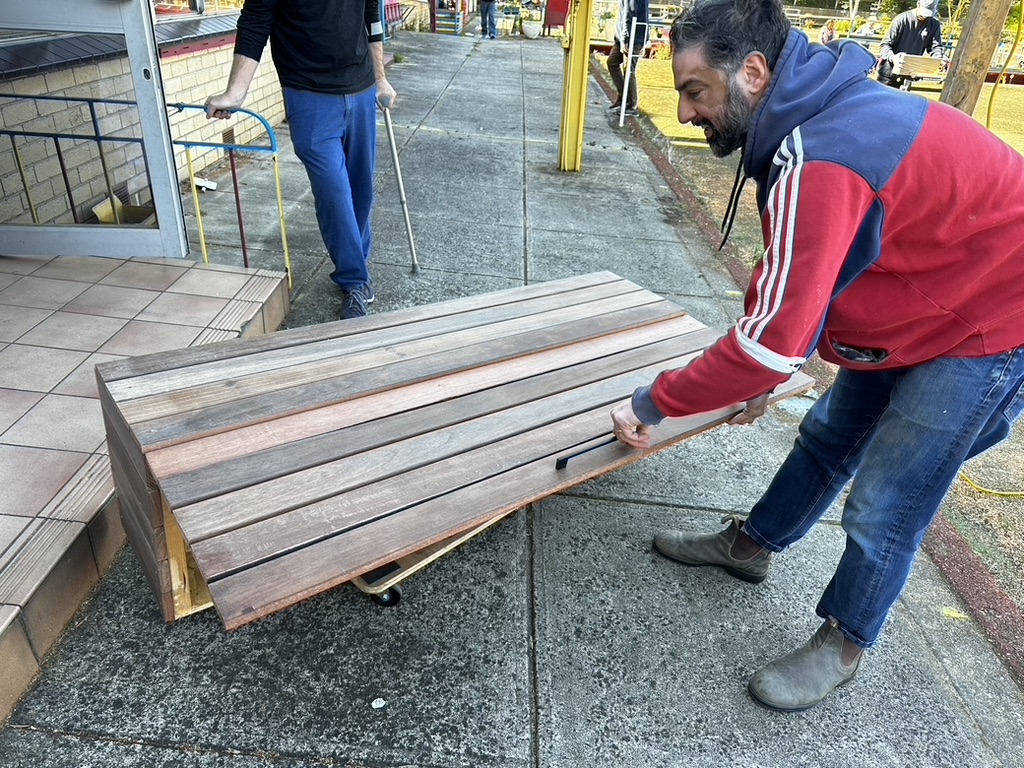
Outdoor Storage Box
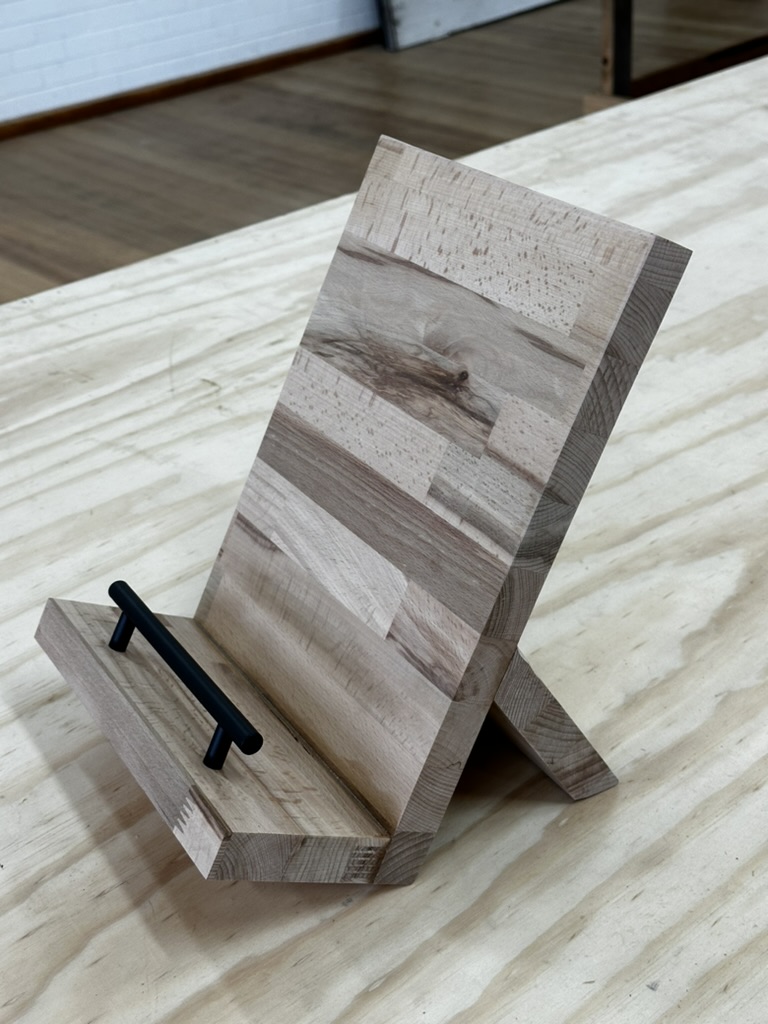
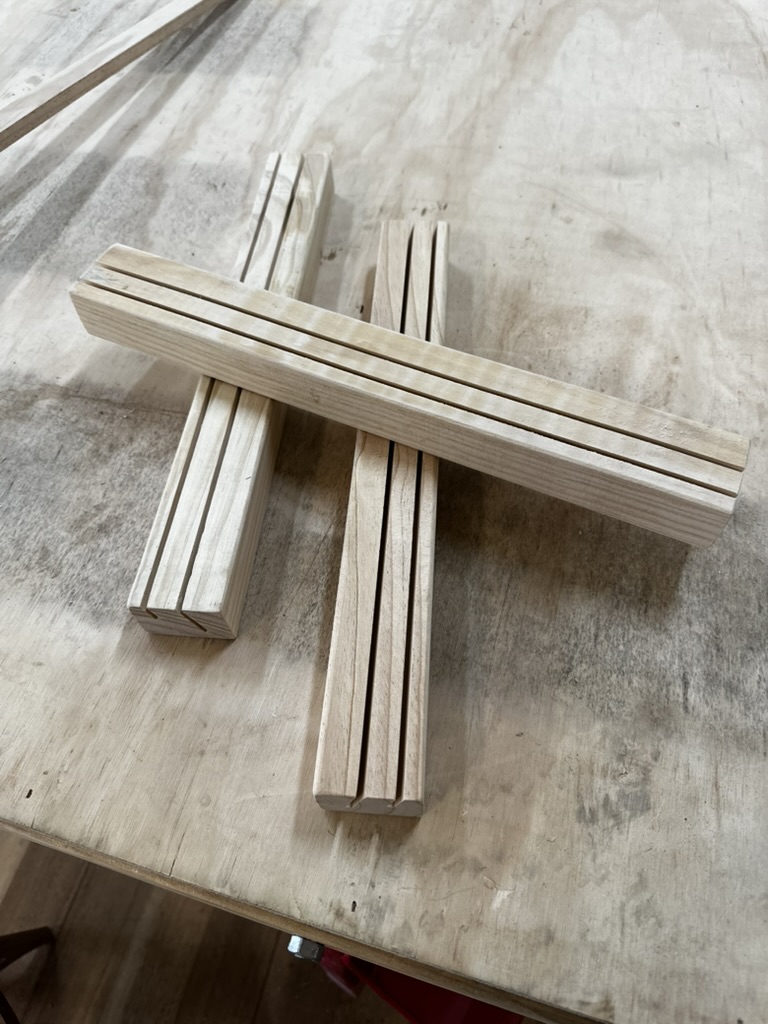
Book Stand (Cookbooks?)
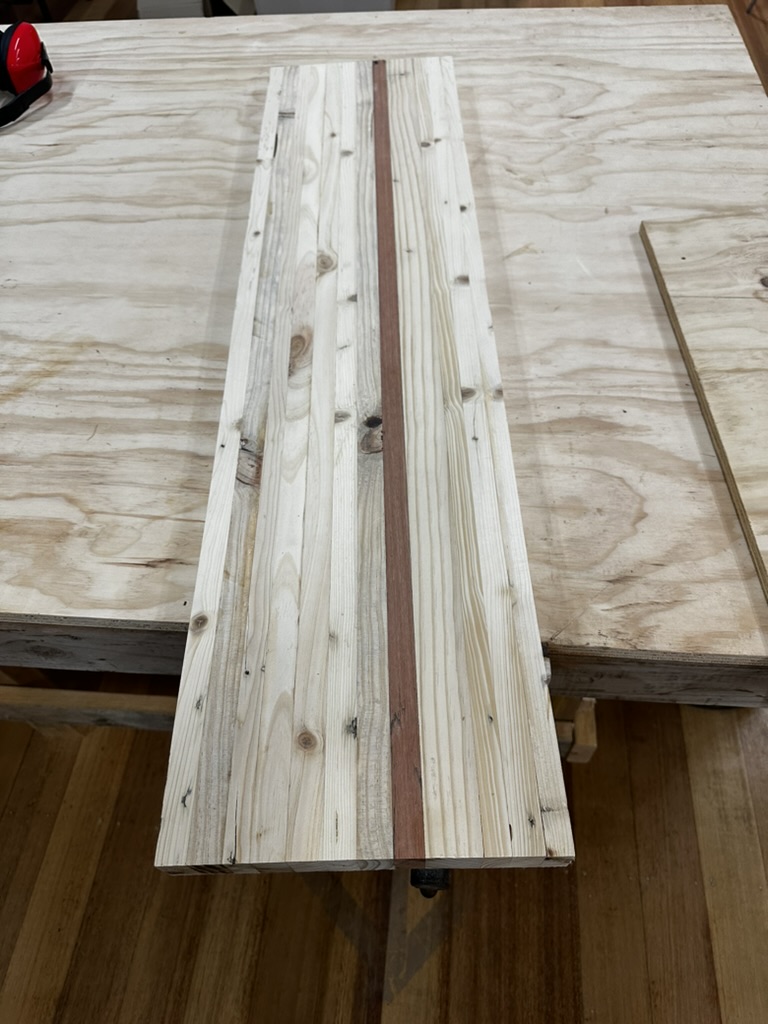
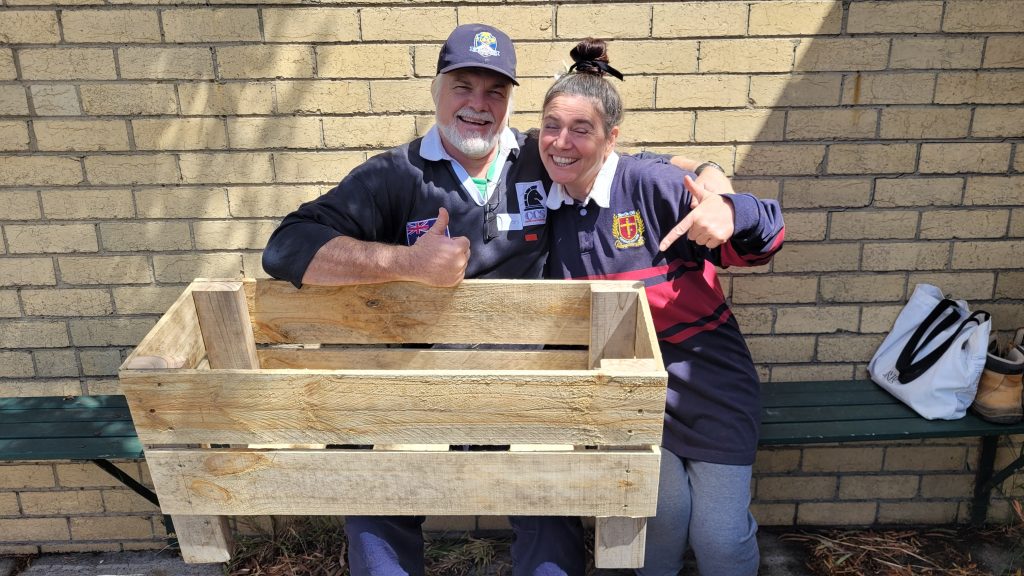
Bench top or bar top from pallet wood (unfinished)
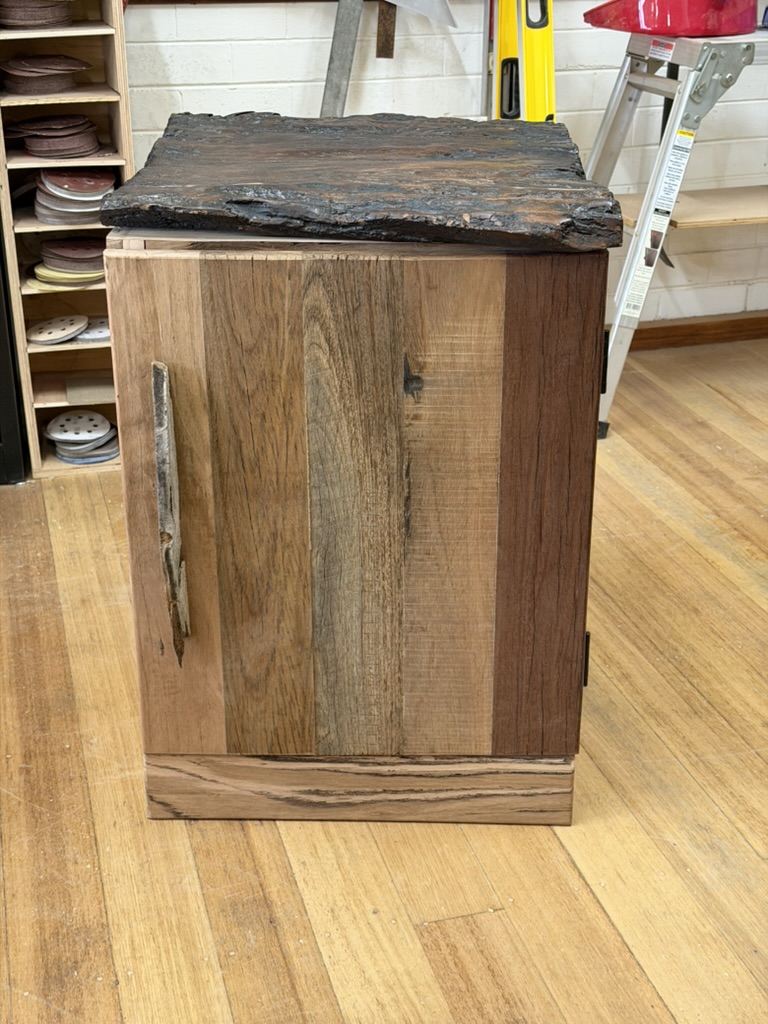
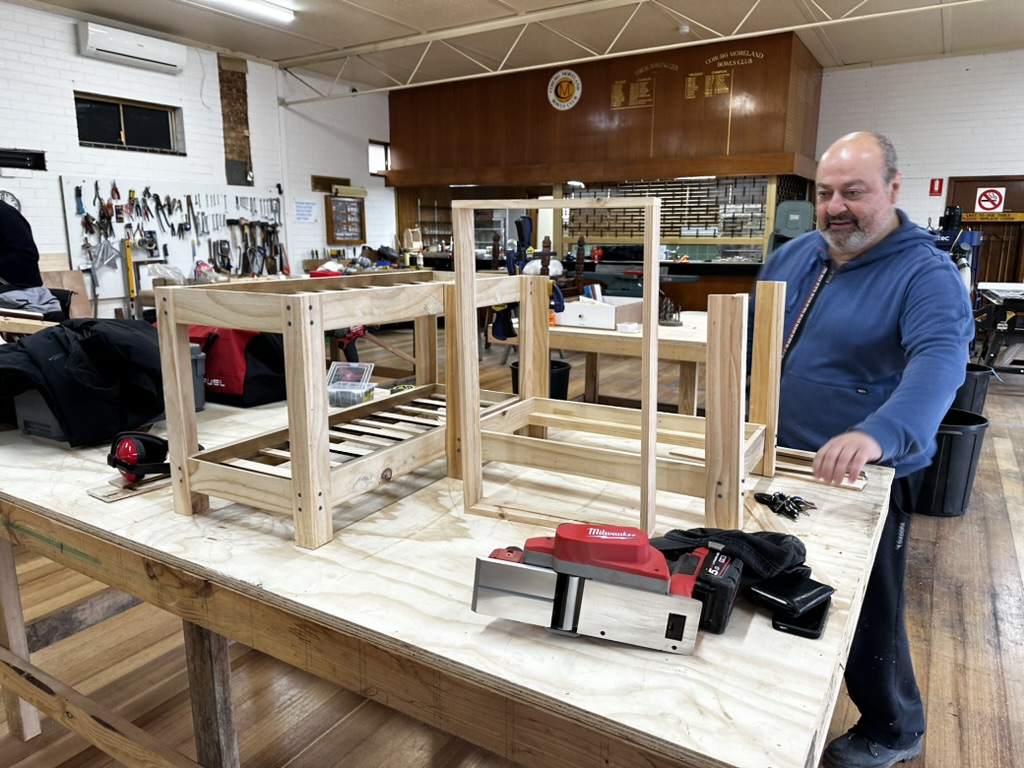
Bedside table from recycled timber
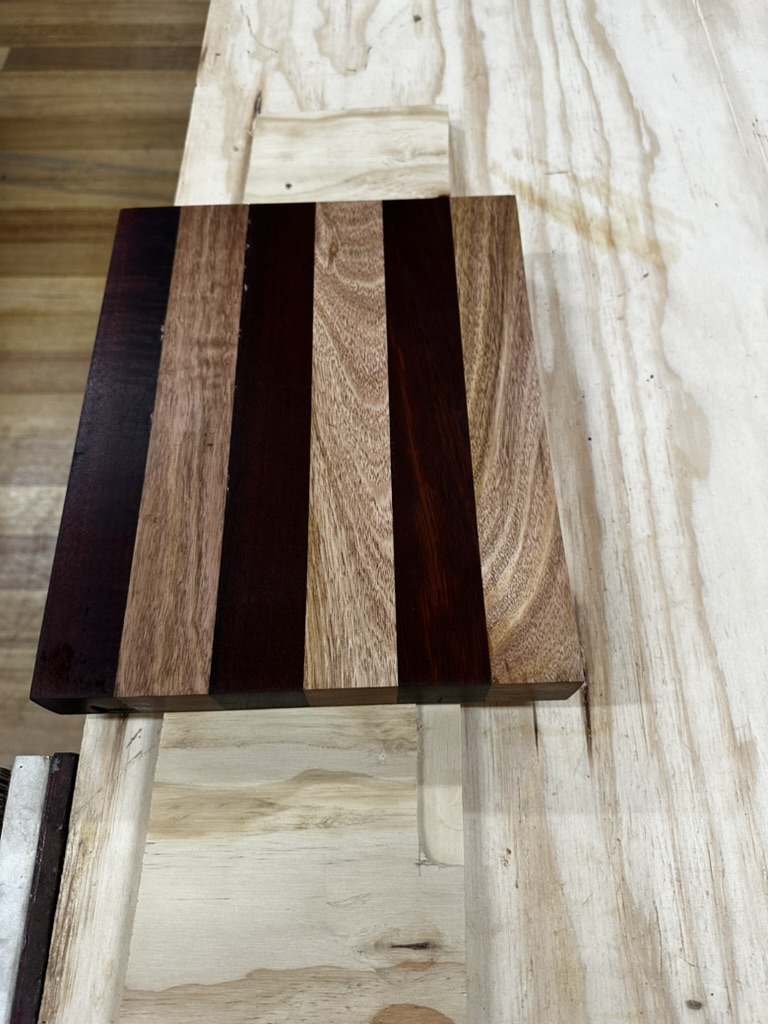
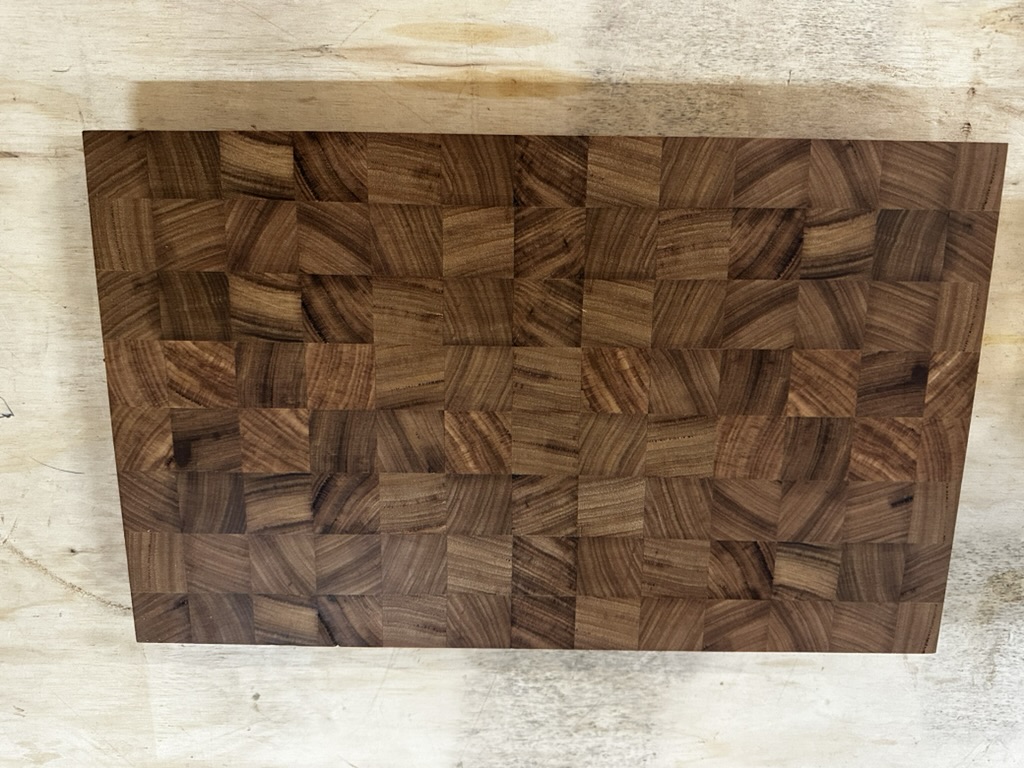
Chopping Board (face grain)
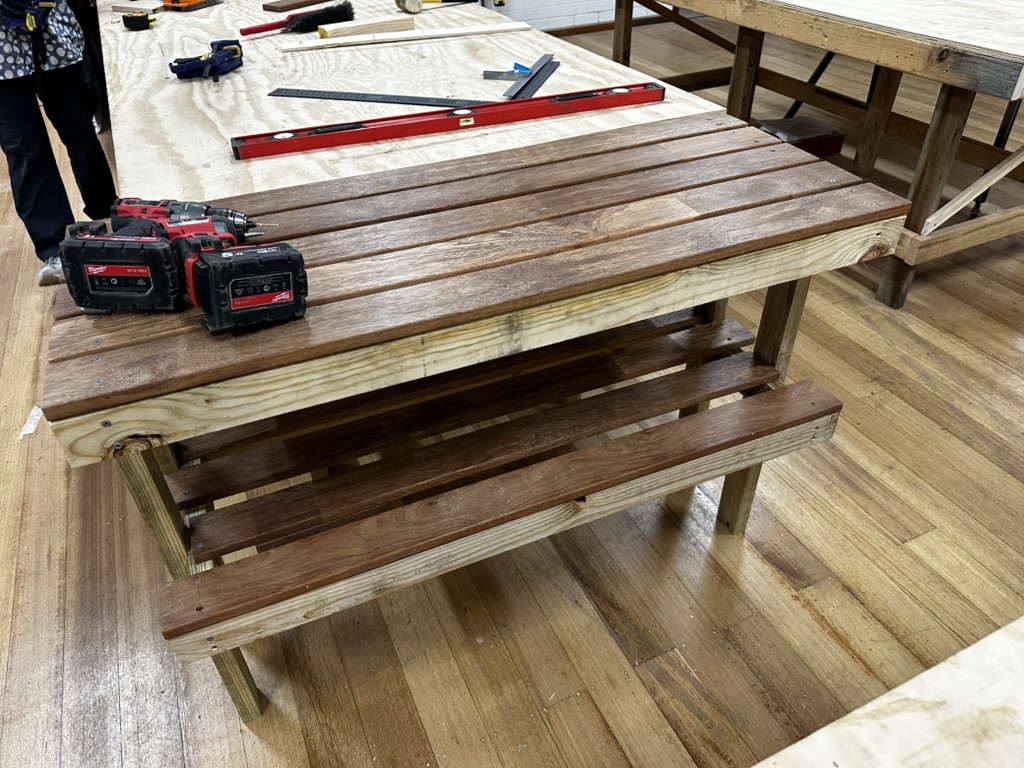
Gardening or Potting table
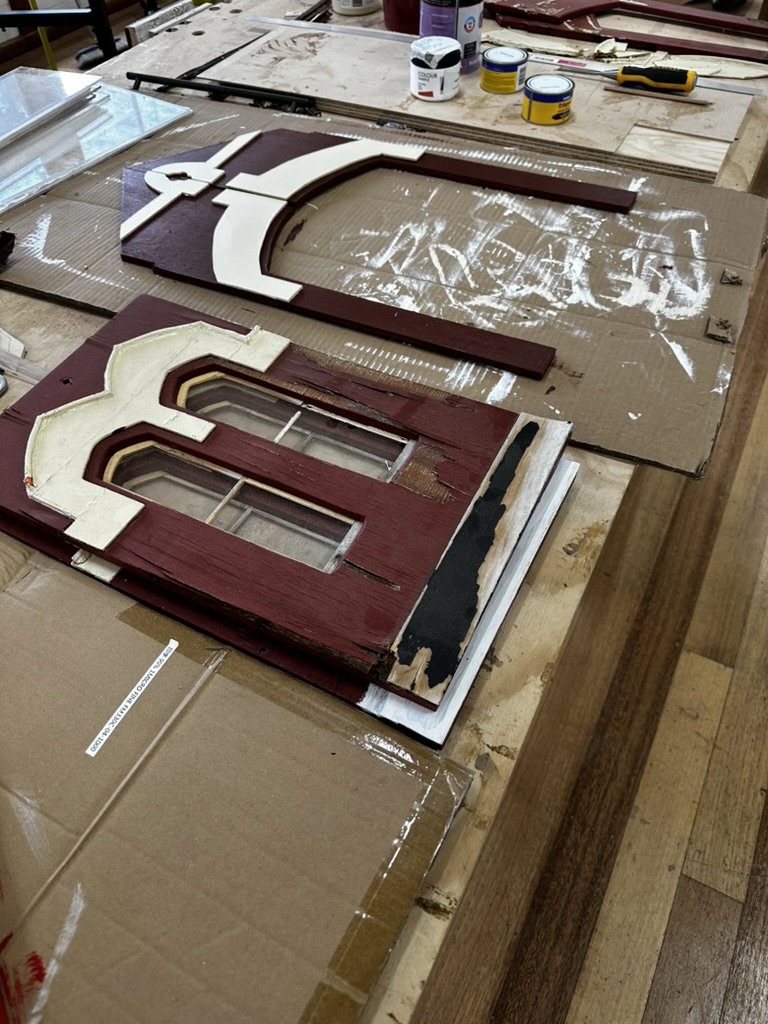
Repairing Moreland Station street library doors
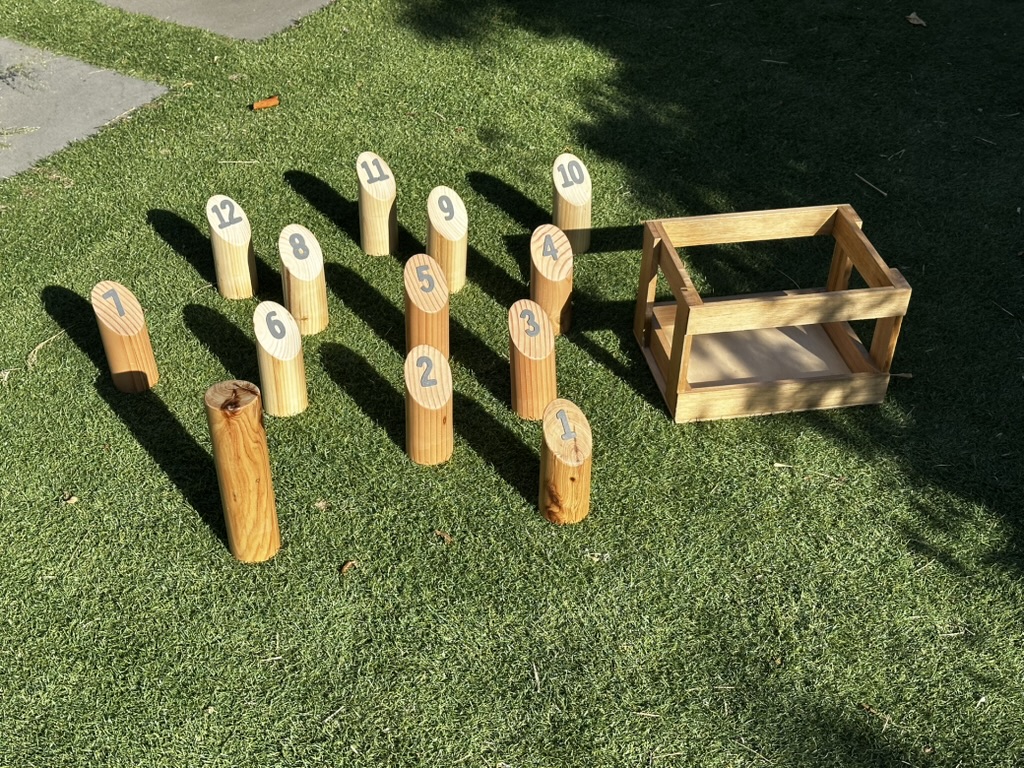
Game (skittles)
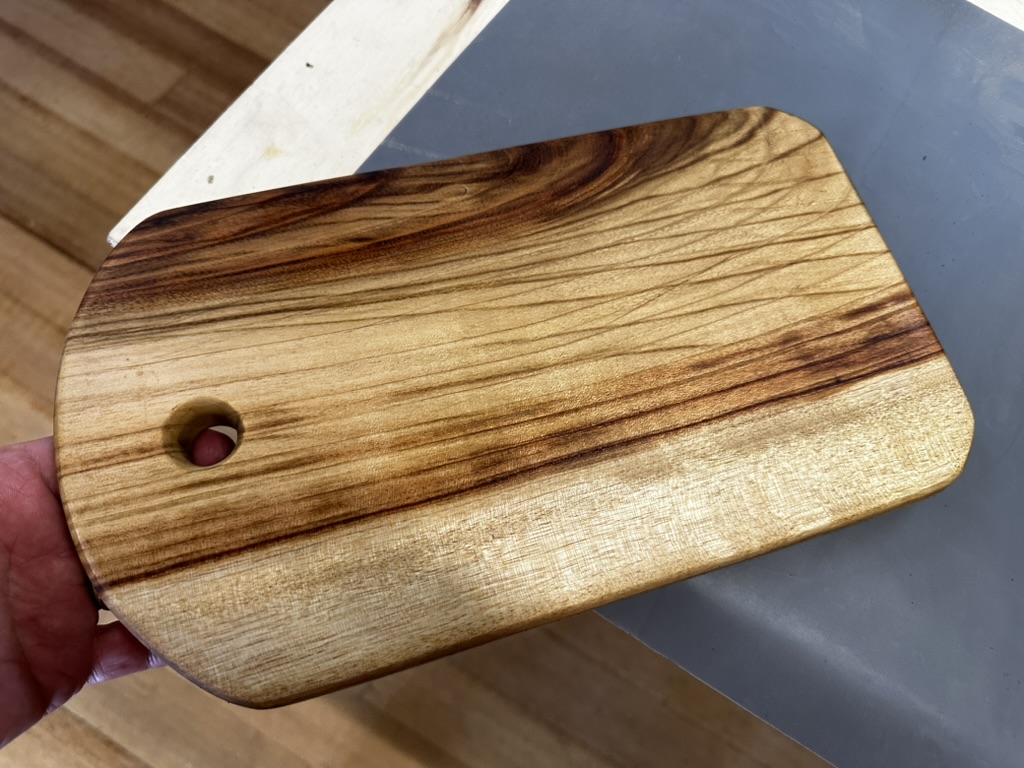
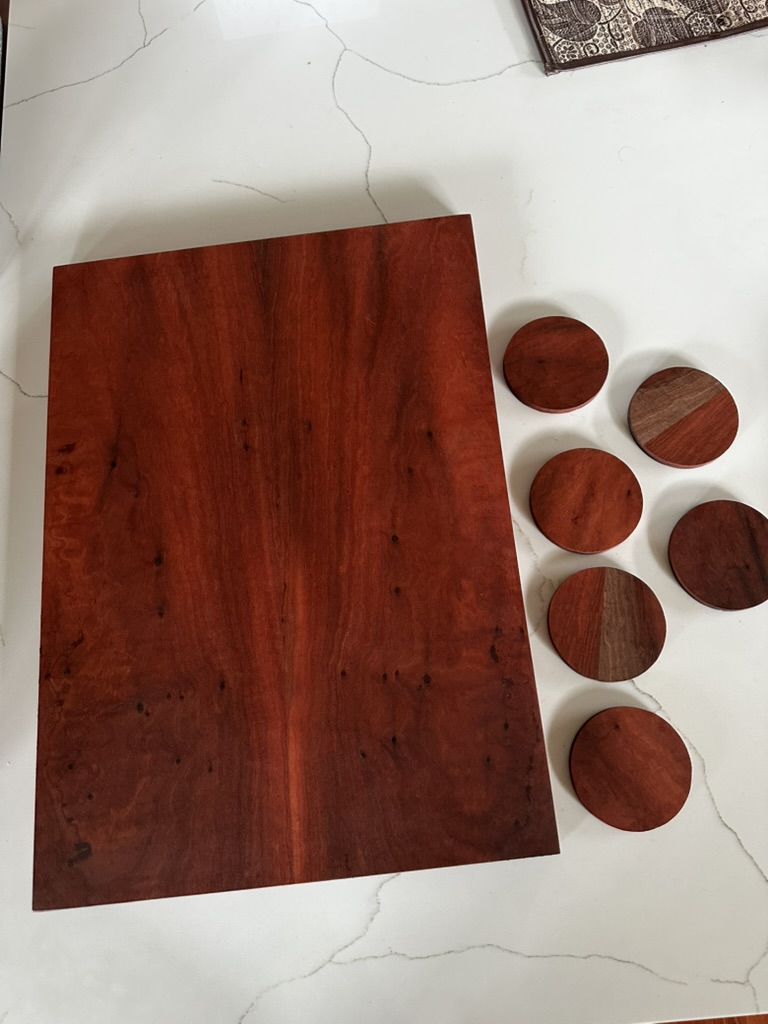
Red gum Serving board (bookleaf) and matching coasters
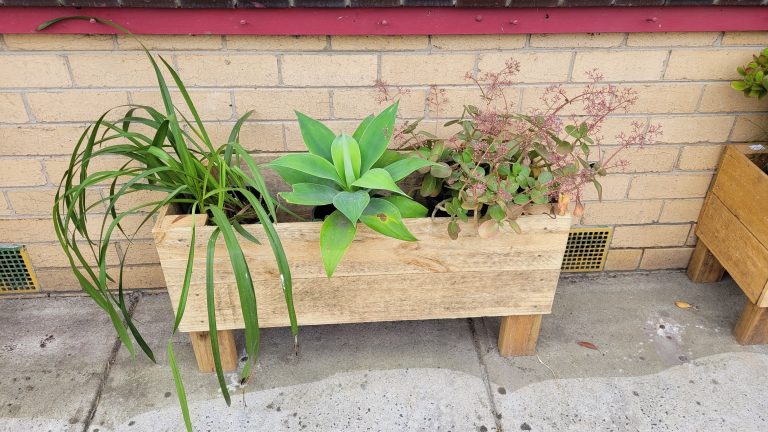
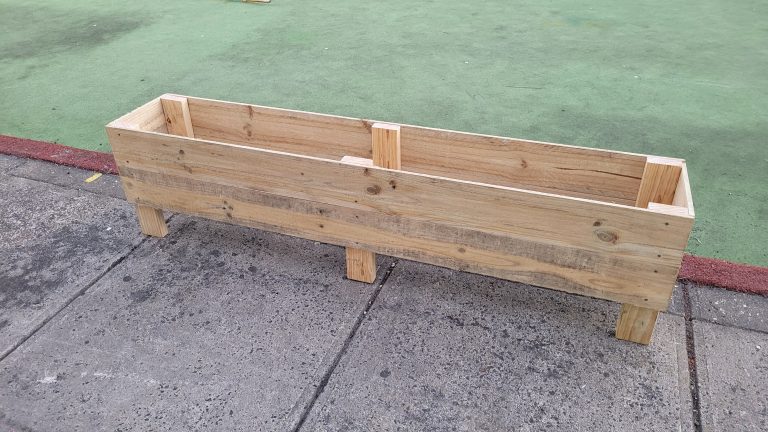
Our planter boxes are one of the most popular projects at Merri Community Shed and are available in two sizes — the 89 cm Standard and the 180 cm Extra Large.
Non-members are welcome to purchase a fully assembled planter, while members can build their own as a guided beginner project using clear, step-by-step instructions. This makes them an ideal first project for new members, offering a practical introduction to basic woodworking skills while creating something useful for home or garden.
Skills at the Shed are developed through hands-on practice, shared knowledge, and informal mentoring. Members learn at their own pace and are encouraged to ask questions, observe others, and support one another.
Common learning areas include:
Timber joints and basic construction
Material selection and finishing
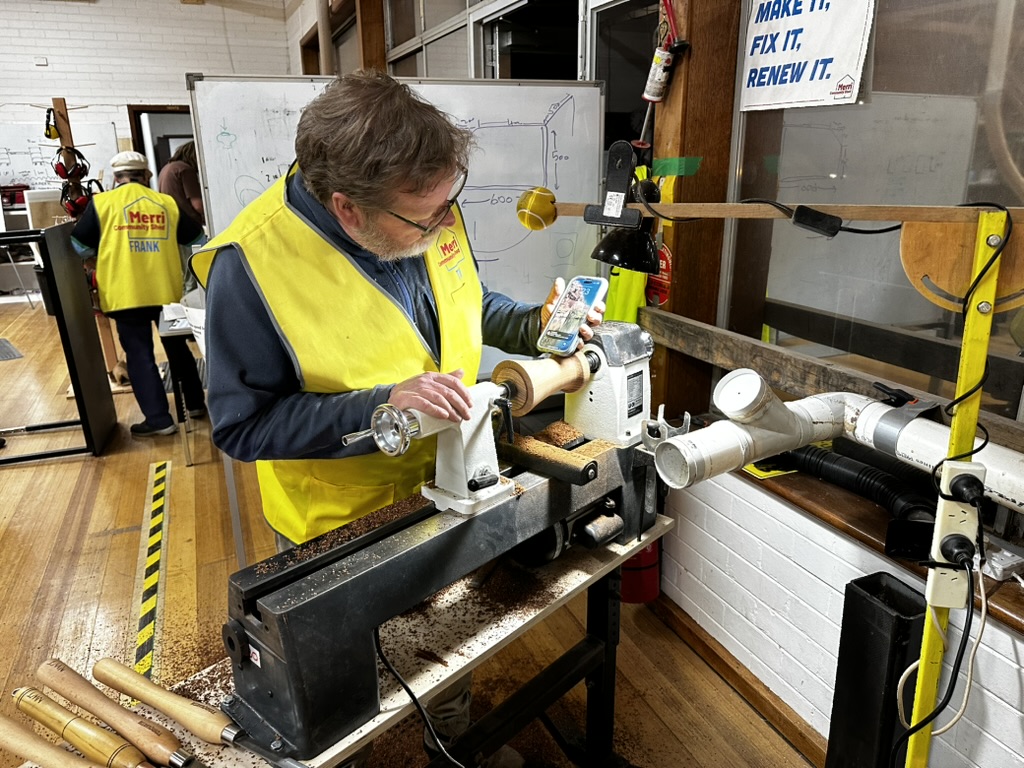
Woodturning fundamentals
Metal fabrication and repair
Measuring, layout, and general workshop techniques
This approach supports skill development and confidence building without formal instruction, maintaining the Shed’s culture of practical, peer-led learning.
Woodworking Classes
Why We Don’t Run Structured Beginner Woodworking Classes?
The Shed does not run formal beginner woodworking classes. Structured classes typically require a minimum number of participants, everyone working on the same project at the same skill level, and a commitment to attend at fixed times over multiple sessions. In practice, this creates unnecessary complexity for both the Shed and participants.
Instead, we have found that a one-on-one mentoring approach works far better for general woodworking. Members work on their own projects, at their own pace, and receive guidance as they need it. Induction and safety instruction for specific machines is provided at the point it becomes relevant. Most new members find that after completing one or two projects, they are able to continue largely independently, with confidence and ongoing peer support.
Some disciplines, however, do require a more structured approach. Activities such as woodturning, blacksmithing, and metalwork (particularly welding) involve higher-risk equipment and more specialised techniques. In these areas, the Shed offers structured classes or facilitated sessions to ensure safety, skill development, and consistent learning outcomes.